Sides That Phone It In: How to Tell When a Restaurant Is Coasting on the Edges of Your Plate
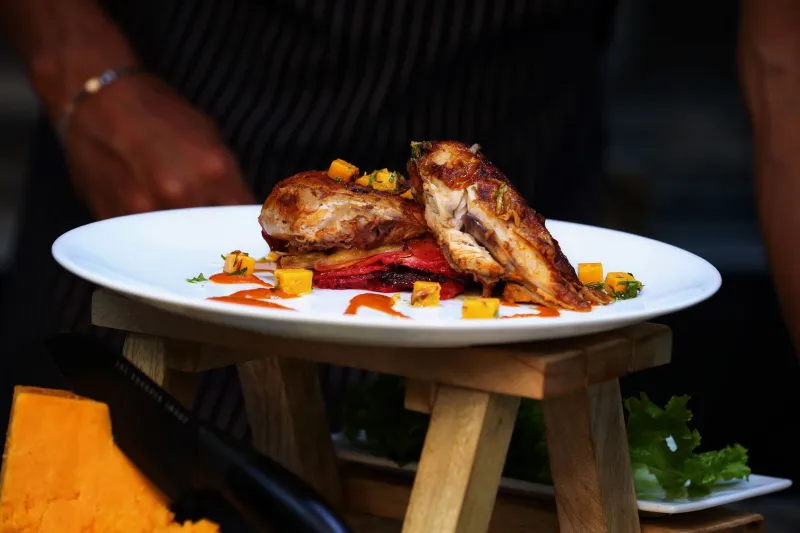
There's a version of dinner that goes like this: you order a beautifully described entrée — maybe a pan-seared halibut with a citrus beurre blanc, or a dry-aged ribeye finished with compound butter — and when the plate arrives, it's flanked by a scoop of mashed potatoes that taste like they came from a box and a pile of steamed broccoli that's been sitting in a hotel pan since four o'clock. The main event is excellent. Everything around it? An afterthought.
This is the placeholder problem, and it's more widespread than most diners realize.
Side dishes occupy a strange corner of American restaurant culture. They're expected, they're ordered, and they take up real estate on the plate — but in a surprising number of kitchens, they're treated as logistical necessities rather than genuine expressions of culinary intent. The result is a dining experience that's uneven at best and, at worst, quietly insulting to anyone paying close attention to what they're actually eating.
Why Sides Get Ignored
The economics of restaurant kitchens push in a particular direction. Labor is expensive, prep time is finite, and the mental energy of a kitchen goes toward the dishes that drive orders and shape reputation. That usually means proteins. Steaks, chops, fish — these are the stars, the items that show up in reviews and get photographed for Instagram. Sides are supporting cast, and supporting cast doesn't always get the same rehearsal time.
There's also a cultural habit at play. Many American diners grew up with a plate model that assumed vegetables and starches were neutral backdrops. A steak came with a potato. Chicken came with rice. The sides weren't supposed to say anything — they were just there. Some restaurants have never questioned that assumption, and it shows.
But here's the thing: a placeholder side doesn't just fail on its own terms. It actively undermines everything around it. A transcendent piece of fish loses something when it's sitting next to watery spinach. A perfectly executed short rib feels less intentional when the polenta beneath it is gluey and bland. Every element on a plate communicates something about a kitchen's priorities, and sides are part of that conversation whether chefs want them to be or not.
The Tell-Tale Signs of a Coasting Kitchen
So how do you spot this before you order? The menu itself is your first clue.
Look at how sides are described — or rather, how little they're described. When a restaurant spends three lines detailing the provenance and preparation of its duck breast but lists the accompanying side as simply "roasted potatoes," that gap in language is meaningful. Kitchens that care about their accompaniments tend to name them with the same specificity they bring to everything else. "Roasted fingerlings with duck fat and fresh thyme" tells a different story than "potatoes."
Also worth noting: are the sides even listed on the menu, or do they only appear as vague references in the entrée descriptions? Some restaurants tuck sides into parenthetical notes at the end of a dish's copy — "served with seasonal vegetables" — which is basically a culinary shrug. It means the kitchen reserves the right to put whatever's cheap and convenient on your plate that night, and you're supposed to be fine with it.
Another signal is repetition. If you scan the entrée section and notice that every dish comes with the same two or three sides regardless of what the protein is, that's a rotation built for efficiency, not flavor pairing. There's nothing inherently wrong with efficiency, but it often means the sides weren't chosen to complement specific dishes. They were chosen to reduce prep complexity.
What Thoughtful Accompaniments Actually Look Like
The restaurants that get this right approach sides the way a good host approaches a dinner party menu — with the understanding that every component should earn its spot at the table.
At the high end, this looks like kitchens that rotate their sides seasonally, sourcing from local farms and building accompaniments that reflect what's actually good right now. A summer entrée might come with a corn succotash that tastes like it was made that afternoon, because it was. A winter dish might feature a root vegetable gratin that took real technique to pull off. These sides don't just fill space — they add a layer of intention that makes the whole plate feel cohesive.
But you don't have to be eating at a Michelin-starred restaurant to find sides that matter. Plenty of mid-range American spots — neighborhood bistros, regional farm-to-table places, well-run diners — take their accompaniments seriously. The difference is almost always visible in the details: house-made pickles instead of a commercial brand, a grain salad with actual acid and texture, roasted vegetables that have real caramelization instead of a sad steam.
When a kitchen treats a side dish as a finished product rather than a placeholder, it usually shows up in the texture and temperature of what arrives on your plate. Sides that were made to order, or at least held properly, taste different from sides that have been sitting. That distinction is one of the most reliable ways to gauge a kitchen's actual commitment.
How to Order Around the Problem
If you're already seated and the menu is in front of you, there are a few practical moves worth making.
First, ask your server. A simple "what do the sides taste like tonight?" can tell you a lot — both in the answer itself and in how confidently it's delivered. A server who can describe a side dish with genuine enthusiasm is usually working in a kitchen that cares about it. A server who pauses and says "I think it's just rice" is giving you useful information too.
Second, consider ordering a side dish à la carte if the restaurant offers that option. Menus that let you build your own plate tend to signal that the kitchen is proud enough of its accompaniments to let them stand alone. It's also a low-stakes way to sample something before committing to a full entrée pairing.
Finally, pay attention when the plate arrives. Before you cut into the main course, take a bite of a side. If it's seasoned well, served at the right temperature, and has some kind of textural interest, you're in good hands. If it tastes like it was forgotten, that tells you something about the kitchen's overall attention to detail — and that's worth knowing.
The Bigger Picture
Side dishes might seem like a minor issue in the grand scheme of a dining experience, but they're actually one of the most honest windows into how a restaurant thinks about food. Anyone can execute a showpiece entrée when all the resources and attention are pointed at it. Caring about the stuff on the margins — the things most diners don't photograph or review — is where real kitchen character reveals itself.
The best meals feel complete. Every element on the plate makes sense, contributes something, and tastes like someone thought about it. When that's true of the sides as much as the main course, you're not just eating a good dish. You're eating at a restaurant that actually means it.