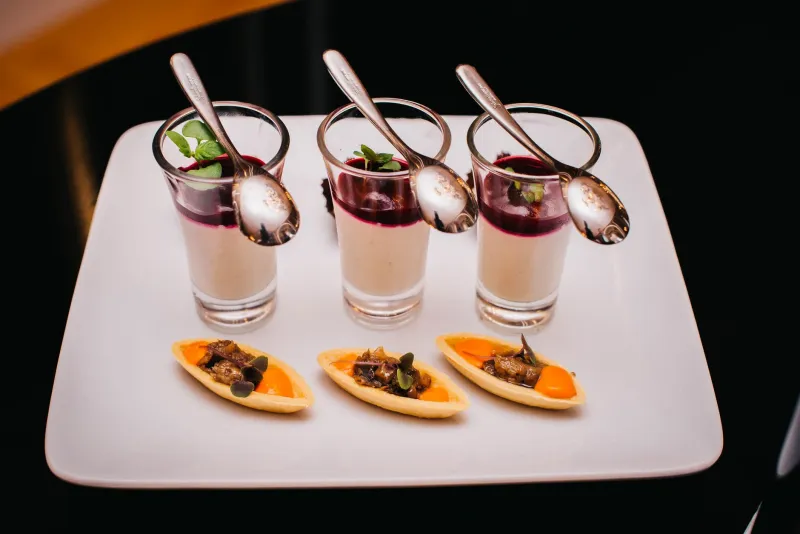
No Starters, No Problem? How the Death of the Appetizer Section Is Changing the Way We Dine Out
Remember when ordering dinner meant a predictable march through the menu — appetizer, entrée, maybe dessert if you had room? That structure felt as reliable as a diner's laminated menu. But walk into a growing number of restaurants across the US right now, and you might find yourself staring at a list that doesn't break down quite so neatly. No "Starters." No "First Courses." Just a collection of dishes in varying sizes, or a set menu where the kitchen calls the shots entirely.
This isn't an accident. It's a deliberate rethinking of how restaurants want you to eat — and understanding why it's happening can genuinely change how you approach your next dinner out.
The Traditional Appetizer Was Always a Bit of a Compromise
Let's be honest about what the classic appetizer slot was doing on most menus. For diners, it was a warm-up act — something to nibble while you settled in, maybe shared with the table, maybe not. For restaurants, it was a revenue tool, a way to bump the check average and keep guests occupied while the kitchen fired the mains.
The problem? Appetizers often existed in a weird no-man's-land. Too small to be satisfying on their own, too rich to not cut into your appetite for the main event. A plate of fried calamari or a loaded bruschetta sounds great until you're halfway through your pasta and already full. Chefs knew this. Diners knew this. And yet the format stuck around for decades because nobody wanted to be the first to change the script.
Now, more of them are.
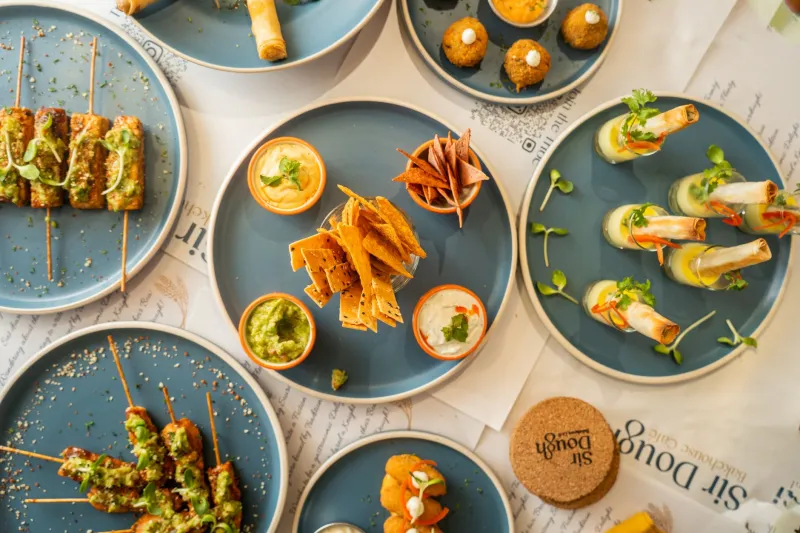
Small Plates Took Over — And Didn't Leave
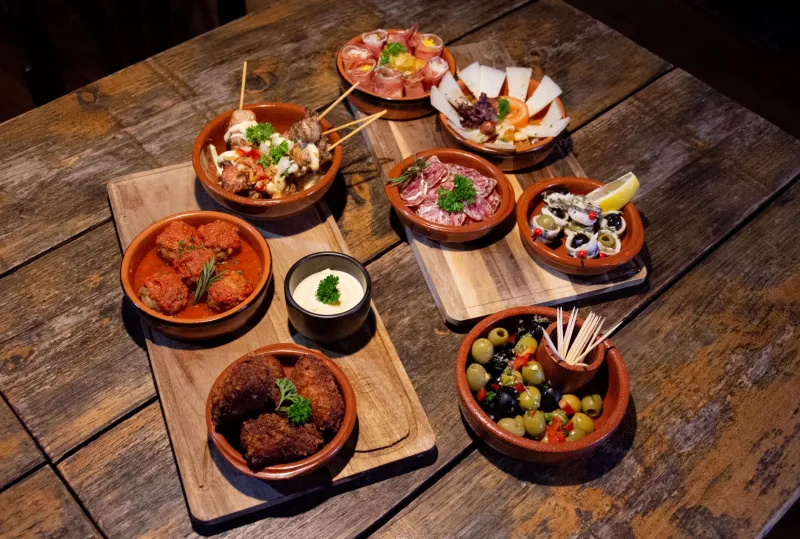
The small plates movement didn't start yesterday. Spanish tapas bars, Korean banchan, and dim sum carts were doing this long before any Brooklyn restaurant put "shareable" on a chalkboard. But what used to feel like a niche dining style has quietly gone mainstream.
Restaurants from Nashville to Portland are structuring their entire menus around plates meant to be ordered in multiples and passed around the table. There's no "starter" because everything kind of is one. And nothing is quite an entrée either. You build your meal collaboratively, adding dishes as you go, eating in whatever order feels right.
For food-forward diners, this is genuinely exciting. You get more variety, more chances to try things, and a more social eating experience. The downside? It can feel chaotic if you're not used to it — and the math gets tricky fast. Four small plates for two people sounds reasonable until you realize each one is $18 and you're still not sure if you're full.
Prix-Fixe Formats Are Filling the Gap
On the other end of the spectrum, some restaurants are ditching the choose-your-own-adventure model entirely. Prix-fixe menus — where you pay a set price for a predetermined sequence of courses — have surged in popularity, especially at higher-end spots that want more control over the dining experience.
For chefs, this format is a dream. It eliminates food waste, simplifies prep, and allows for storytelling through a meal. For diners, it removes the anxiety of decision-making. You sit down, you eat what the kitchen sends out, and you trust the process.
But here's the catch: prix-fixe menus can feel intimidating or inaccessible to diners who are used to having options. Dietary restrictions become more complicated. The experience can feel rigid if the kitchen isn't communicating well with the front of house. And if one course misses for you, there's no safety net of a backup entrée you actually wanted.
What This Means for How You Actually Order
If you're walking into a restaurant without a traditional appetizer section, the first thing to do is recalibrate your expectations — and your strategy.
On a small plates menu: Think about how many dishes you actually need, not how many sound good in the moment. A general rule of thumb is two to three plates per person, though this varies wildly by portion size and your own hunger level. Don't be shy about asking your server how dishes are typically ordered or which ones tend to be more filling. Good servers at these spots are used to guiding guests through the format.
On a prix-fixe menu: Read the full menu before you commit if you can — most restaurants post these online now. Know your dietary needs going in and communicate them early. And give yourself permission to just enjoy the ride. Trying to mentally "opt out" of a course you're not sure about defeats the purpose of the format.
On a hybrid menu: Some restaurants are doing a bit of both — a few shareable snacks at the top, then a section of larger plates meant for individual ordering. These menus can be the trickiest to navigate because the rules aren't obvious. Again, ask. The staff will tell you how the kitchen intends for the menu to work.
What the Shift Really Signals
Beyond the ordering logistics, this trend says something bigger about where American dining culture is heading. There's a growing appetite — pun fully intended — for meals that feel more flexible, more communal, and more intentional. The rigid three-course format can feel stuffy and slow to a generation of diners who grew up eating Korean BBQ and Ethiopian injera and Vietnamese family-style spreads.
At the same time, restaurants are dealing with real economic pressure. Labor costs are up. Food costs are up. A prix-fixe format or a streamlined small plates menu can be more efficient to run than a sprawling à la carte operation with a dedicated appetizer section that only half the table orders from anyway.
So the death of the traditional starter isn't just a culinary philosophy shift — it's also a business model evolution. And honestly, for diners willing to meet restaurants where they are, it opens up some genuinely great eating experiences.
The Bottom Line
The next time you sit down and don't see a "Starters" header on the menu, don't panic. Take a breath, read the whole thing, and ask a question or two before you start ordering. The format might be different, but the goal is the same: a meal worth remembering.
At TriMenu, we'd argue that the restaurants pushing back against old formats are often the most interesting ones to eat at right now. The appetizer paradox might be messing with your ordering instincts — but it might also be pointing you toward your next great dinner.