Starters Are Stealing the Show — And Your Appetite
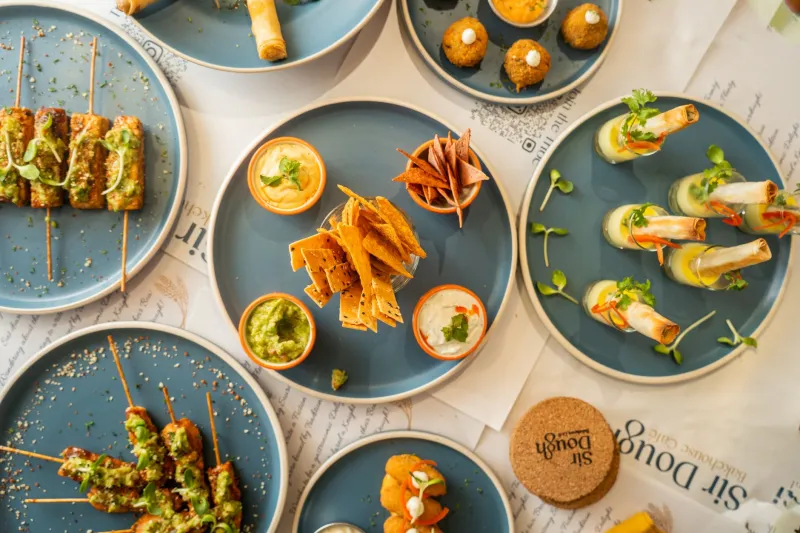
You sit down, you're hungry, the menu opens — and there they are. Crispy calamari. Loaded potato skins. A charcuterie board that could honestly pass as a light dinner for two. The appetizer section is usually the first thing your eyes land on, and that's not an accident.
Restaurants have spent decades quietly perfecting the art of the pre-meal sell. And while plenty of starters genuinely set the stage for a great meal, a surprising number exist to do something else entirely: separate you from your money before the main event even begins.
Let's break down what's actually going on — and how you can work the menu instead of letting it work you.
Why Appetizers Live at the Top of the Menu (and Your Brain)
Menu design is a field unto itself, and the placement of appetizers at the front of the page is deeply intentional. Research on menu psychology consistently shows that diners are most attentive — and most susceptible to impulse ordering — in those first few minutes of sitting down. You're hungry, you're in a social mood, and you haven't yet committed to anything. That's prime real estate for a restaurant to fill.
Beyond placement, appetizers are often written with the most evocative language on the menu. "Crispy," "golden," "house-made," "shareable" — these words hit differently when your stomach is empty. Compare that to how a side of roasted vegetables gets described (if it gets described at all), and you start to see the hierarchy.
The goal isn't necessarily to ruin your appetite. It's to get you spending before you've had time to think too carefully about what you actually want.
The Margin Math Behind the Starter
Here's the part most diners don't think about: appetizers are frequently among the highest-margin items on a menu. The ingredients are often inexpensive — fried dough, dips, small cuts of meat stretched with fillers or accompaniments — but the price point can be surprisingly steep. A plate of spinach-artichoke dip that costs a restaurant maybe $2 to make might run you $14 on the menu.
Entrées, by contrast, often carry thinner margins. A quality piece of salmon or a well-sourced steak requires real ingredient investment. Restaurants make their money on volume and on the extras — drinks, starters, desserts — that pad out a check without requiring the same food cost overhead.
This isn't inherently sinister. Restaurants operate on notoriously thin margins themselves, and the economics have to balance somewhere. But as a diner, knowing this changes how you read the menu. That "must-try" starter the server enthusiastically recommends? There may be a financial incentive behind the enthusiasm.
When Starters Actually Earn Their Place
None of this means appetizers are a trap to avoid entirely. Some of the best dining moments in American restaurant culture live in that pre-entrée space — a perfectly constructed shrimp cocktail at a classic steakhouse, a bowl of clam chowder in a bread bowl in San Francisco, the tableside guacamole at a good Tex-Mex spot. These aren't filler. They're the point.
A well-designed appetizer does a few things genuinely well:
- It calibrates your palate. A bright, acidic starter — think ceviche or a citrus-dressed salad — can actually wake up your taste buds and make everything that follows taste sharper and more distinct.
- It paces the meal. Especially at a restaurant where the kitchen takes time with entrées, a thoughtfully portioned starter gives the table something to do and keeps the energy alive.
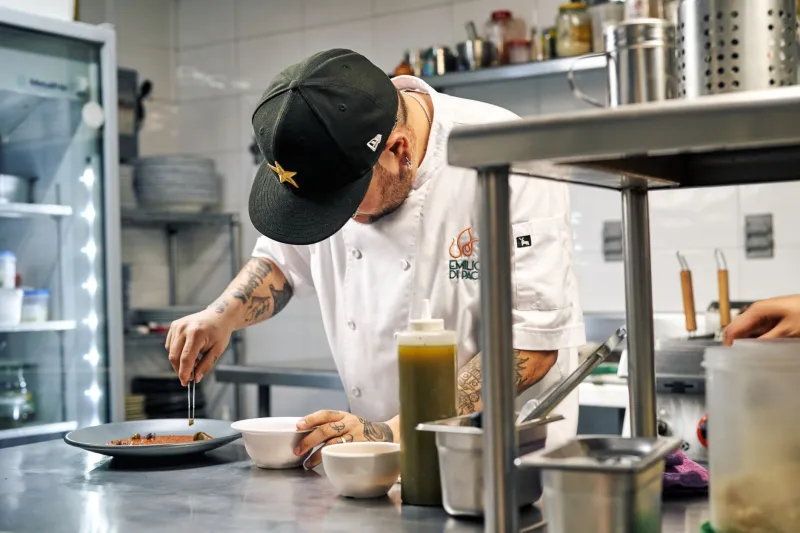
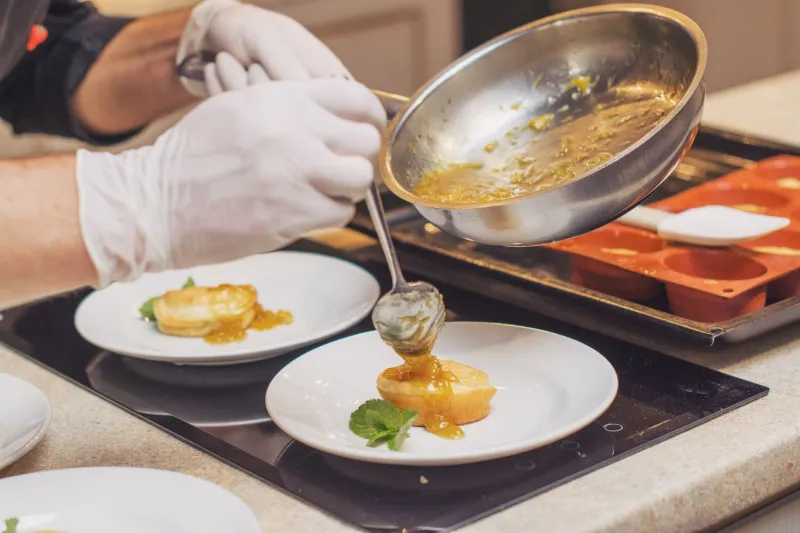
- It reflects the kitchen's identity. At chef-driven restaurants, the appetizer menu is often where cooks take the most creative risks. Skipping it entirely sometimes means missing the most interesting cooking on the menu.
The key word in all of this is "portioned." A starter that's calibrated to complement your meal is a different animal from one that arrives as a platter large enough to derail your entrée experience entirely.
The Fullness Trap in Action
Here's the move many casual dining chains and high-volume restaurants rely on: oversized appetizers at a price that feels reasonable. Think of the appetizer samplers that populate menus at places like TGI Fridays or Applebee's — massive plates designed to feel like a deal, served fast, eaten quickly while you're at peak hunger. By the time your burger or pasta arrives, you're already 60% full.
For the restaurant, this is a win even if you don't finish your entrée. You've already spent the money. The check is padded. And the kitchen's most expensive protein gets sent back half-eaten or boxed up to go, where it's no longer the restaurant's concern.
For you, the diner? You've paid for an experience that peaked too early.
How to Navigate the Starter Section Like a Pro
The goal isn't to skip appetizers out of suspicion — it's to order them with intention. A few practical approaches:
Read the entrées first. Before you even look at starters, scan the main course section. Get a sense of how substantial your entrée will be. A light fish dish or a vegetable-forward plate leaves more room for a starter. A massive pasta or a 16-ounce ribeye probably doesn't need a lead-in.
Ask about portion sizes. Servers are generally happy to give you a realistic sense of how big a starter runs. A quick "Is this more of a light bite or a full plate?" can save you from over-ordering.
Consider sharing strategically. If you're dining with others, one or two starters split across the table gives everyone a taste without filling anyone up. Ordering individual starters for each person is where the fullness trap really closes.
Trust your actual hunger. It sounds obvious, but when you're seated and the social energy of a restaurant kicks in, it's easy to order more than you genuinely want. Check in with yourself before you commit. Are you starving, or just excited? There's a difference.
The Bigger Picture
At TriMenu, we're big believers that every part of a meal should be worth your attention — and your money. Appetizers, at their best, are a genuine contribution to a dining experience. They set a tone, create conversation, and give a kitchen the chance to show off something playful or unexpected.
But they're also one of the places where restaurant economics and diner experience can quietly diverge. Knowing that doesn't mean approaching your next meal with cynicism. It means you can walk into any restaurant, open the menu, and make choices that actually reflect what you want — not just what the page is nudging you toward.
Order the starter if it excites you. Skip it if you're saving room for something better. Either way, the meal should be yours to design.