Seasonality Is a Promise — But Is Your Restaurant Actually Keeping It?
Somewhere between farm-to-table becoming a movement and farm-to-table becoming a cliché, the word "seasonal" lost some of its meaning. These days, just about every restaurant with any culinary aspiration claims to work with seasonal ingredients. Some of them mean it. Some of them really, really don't. And the difference between those two groups is enormous—not just philosophically, but in terms of what ends up on your plate and what it costs you.
Learning to read a restaurant's actual relationship with seasonality is one of the more useful skills a regular diner can develop. It tells you something fundamental about how a kitchen operates, how much the chef is actually cooking versus managing, and whether the price premium attached to all that "seasonal" language is backed up by anything real.
What Genuine Seasonal Cooking Actually Looks Like
True seasonal menus move. Not just a little—they shift meaningfully as the growing calendar turns. A restaurant that's serious about seasonality in the Northeast isn't serving the same roasted butternut squash bisque in May that it was offering in November. The spring menu looks genuinely different from the fall menu, not just in names but in the logic of the dishes themselves.
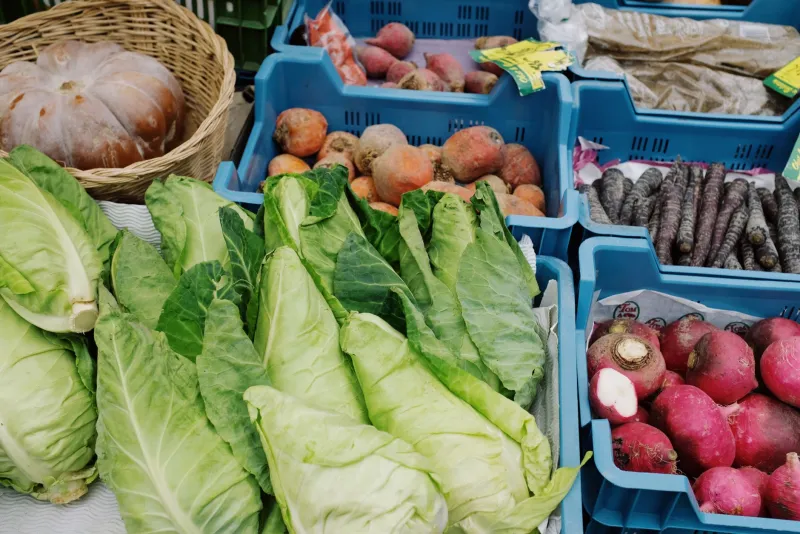
You'll also notice a certain kind of abundance thinking in restaurants that are really plugged into the harvest. When something is at peak—corn in August, tomatoes in late summer, morels in spring—it shows up in multiple places on the menu. Not because the chef ran out of ideas, but because that's what's coming in from the farm right now and it would be wasteful not to use it. That kind of integration, where one ingredient threads through an appetizer, an entrée, and maybe even a cocktail, signals a kitchen that's actually responding to supply rather than just describing it.
The menu also tends to be shorter at genuinely seasonal restaurants. When you're building dishes around what's available rather than what's always available, your options narrow naturally. A very long menu at a restaurant claiming seasonal commitment should raise an eyebrow.
The Seasonal Imposters: What to Watch For
Here's where it gets a little cynical, but bear with it—this is useful.
The most common form of fake seasonality is what you might call "seasonal language, static menu." The dishes change names or get minor ingredient swaps, but the core menu stays locked in place for most of the year. That spring pea purée might become a corn purée in August, but the structural dish—the protein, the cooking method, the price—stays exactly the same. The kitchen isn't really following the harvest. It's following a template.
Watch for seasonal items that have been on the menu for more than one full season. If a restaurant's "fall special" is still listed in February, that's a red flag. Seasonal items that become permanent fixtures are really just regular menu items wearing a costume. They're there because they sell, not because they reflect what's growing.
Another tell: vague sourcing language. "Locally sourced vegetables" and "seasonal ingredients" without any specificity—no farm names, no regions, no actual growers mentioned anywhere—often means the restaurant is buying from a broadline distributor and calling it local. Real farm relationships get named. Chefs who have them are proud of them and they say so.
The Pricing Question Nobody Wants to Ask
Seasonality has become a convenient pricing lever for some restaurants, and it's worth being honest about that. When a dish gets labeled "seasonal," it often carries a few extra dollars with it—the implication being that the ingredients are special, rare, or particularly labor-intensive to source. Sometimes that's true. Sometimes it's not.
Peak-season produce, when it's genuinely abundant, is often cheaper than the same item out of season. A tomato salad in August should cost less than a tomato salad in January—but at restaurants using seasonality as theater rather than philosophy, you might find the reverse. The seasonal label inflates the price even when the ingredient economics don't support it.
The honest version of seasonal pricing looks like this: dishes go up in price when they feature genuinely rare or labor-intensive seasonal ingredients (spring truffles, wild ramps, early-season stone fruit), and they stay accessible or even drop slightly when the ingredient is simply at its peak and widely available. If every seasonal item on the menu is also the most expensive item in its category, that's a pattern worth noticing.
How to Do a Quick Seasonal Audit Before You Commit
You don't need to be a professional food critic to run a basic check on a restaurant's seasonal credentials. A few simple moves will tell you a lot.
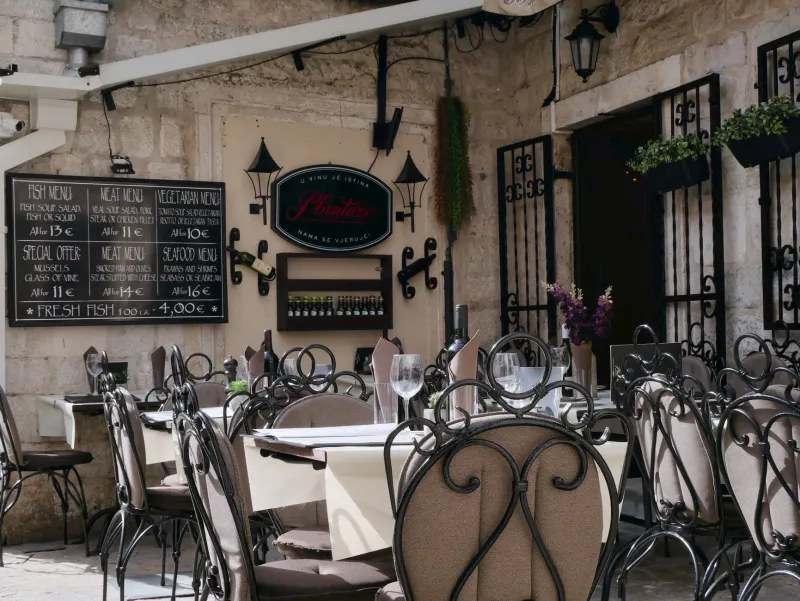
First, look at the menu online—then look at it again in a different season. Most restaurants post their menus publicly. If the menu you're looking at in October looks nearly identical to the archived version from April, the seasonal commitment is probably more marketing than method.
Second, ask your server a direct question: "What's really fresh right now?" A server at a genuinely seasonal restaurant should be able to answer that immediately and specifically. If you get a vague gesture toward the whole menu, that's telling.
Third, look for the specials. Restaurants that are truly responding to seasonal availability often run specials that aren't on the printed menu—because what came in from the farm this week wasn't predictable enough to put in print. A robust specials program, especially one that changes frequently, is a strong indicator of real seasonal engagement.
The Bottom Line on Seasonal Menus
Seasonality done right is one of the most compelling things a restaurant can offer. It means the kitchen is alive, responsive, and genuinely connected to the ingredients it's working with. It means the food you're eating tonight is as good as it's going to get, because it's exactly what should be on the plate right now.
But seasonality done wrong is just a story—and a pretty expensive one. Knowing the difference puts you in a much better position to spend your dining budget on restaurants that are actually delivering on the promise.