Frozen in Time: What It Really Means When a Restaurant's Menu Never Moves
There's a particular kind of comfort in the restaurant that never surprises you. You know the booth you want, you know the server's name, and you definitely know what you're ordering before you've even sat down. The menu hasn't changed since 2011, and honestly? You're kind of grateful for that.
But here's the thing — not all menu permanence is created equal. Sometimes a locked-in menu is a statement of confidence. Sometimes it's a slow-motion red flag. Knowing the difference can save you from a disappointing meal, or help you better appreciate the one you've been loyal to for years.
The Case for Staying Put
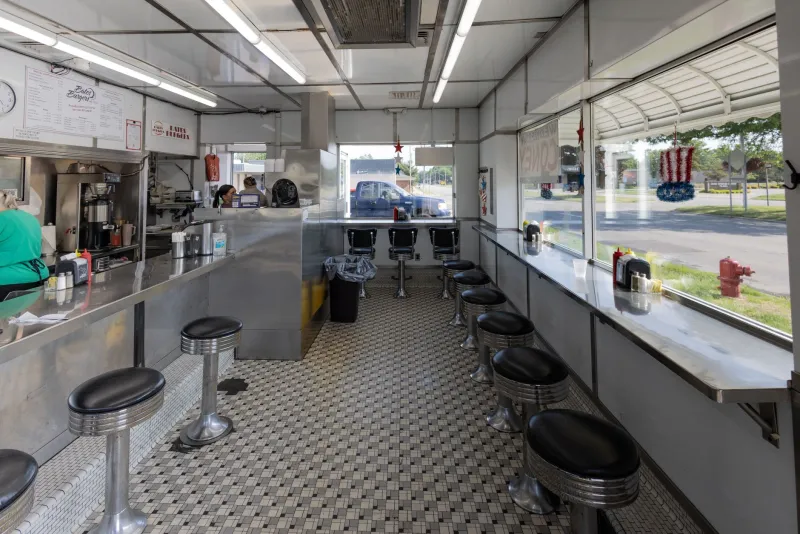
Let's start with the defense, because it's a strong one. Certain restaurants have built their entire identity around a fixed menu, and that consistency is precisely the point. Think of the classic American diner, the old-school Italian red-sauce joint, or the regional BBQ spot that's been smoking the same brisket since your parents were dating. These places aren't failing to evolve — they're actively resisting evolution because their audience came looking for something specific.
For restaurants like these, the menu is the brand. Changing it isn't innovation; it's betrayal. Their regulars aren't hoping for a seasonal mushroom risotto to appear in October. They want the meatloaf that tastes exactly like it did on their birthday five years ago. There's real culinary integrity in honoring that contract.
Consistency also takes serious skill. Executing the same dishes at a high level, night after night, year after year, requires a disciplined kitchen and a staff that genuinely knows what they're doing. That kind of repetition breeds mastery, and mastery is nothing to dismiss.
When Consistency Becomes a Comfort Blanket
Here's where it gets more complicated. Not every restaurant with an unchanging menu is operating from a position of strength. Some are holding still because they're afraid to move — and fear is a lousy foundation for good food.
A menu that never evolves can signal a kitchen that's checked out. When chefs stop experimenting, stop tasting what's new at the farmers market, stop pushing themselves even a little, that stagnation tends to creep into the food itself. The dish might look the same on paper, but something subtle shifts. The quality of ingredients dips. The preparation gets sloppy. The enthusiasm that made it great in the first place quietly evaporates.
There's also a financial dimension worth considering. Restaurants that refuse to update their menus sometimes do so because they're locked into supplier contracts, operating on razor-thin margins, or simply can't afford the experimentation that menu development requires. None of that is necessarily a death sentence, but it does tell you something about where the restaurant is in its life cycle.
Reading the Signals
So how do you tell the difference between a restaurant that's confidently holding its ground and one that's quietly treading water? A few things to watch for:
The quality of the staples. A restaurant that's genuinely committed to its menu will protect its core dishes fiercely. The steak, the pasta, the signature sandwich — whatever it is, it should be exceptional. If the flagship item feels like an afterthought, that's a sign the kitchen has lost the thread.
How the staff talks about the food. Servers who love what they're serving will tell you about it with real enthusiasm. When a menu hasn't changed in years and the staff still sells it like it's new, that's a good sign. When they seem almost embarrassed by the lack of options, pay attention to that energy.
Seasonal ingredients on a static menu. This is a nuanced one. Some restaurants maintain a fixed menu structure but quietly swap out ingredients based on what's available and at its peak. That kind of invisible flexibility is actually a mark of sophistication — they're giving you the same experience while quietly keeping the kitchen honest.
The physical condition of the menu itself. Laminated menus with visible wear, faded photos, or items that have been crossed out and never replaced are worth noticing. A restaurant that takes pride in what it's serving tends to take pride in how it presents that information.
What Seasonal Menus Are Actually Saying
On the flip side, a restaurant that rotates its menu regularly is making a different kind of statement. Seasonal menus signal that the kitchen is engaged, that the chef is paying attention to what's happening in the broader culinary world, and that the restaurant has the financial flexibility and creative confidence to keep experimenting.
But seasonal rotation isn't automatically virtuous, either. There's a version of it that's genuinely exciting — a chef who builds relationships with local farms, adjusts the menu based on what's actually good right now, and treats each season as a new creative brief. Then there's the version that's more performance than substance, where the menu changes just enough to seem current without any real thought behind the updates.
The tell is in the execution. A seasonal menu that's clearly driven by what's fresh and flavorful will show coherence — dishes that feel like they belong together, ingredients that make sense in context. A seasonal menu that's just chasing trends tends to feel scattered, like a collection of buzzwords arranged into courses.
The Loyalty Question
There's one more angle worth sitting with: what does your loyalty to an unchanging menu actually mean?
If you've been ordering the same dish at the same restaurant for a decade, you're not just buying food — you're buying continuity. That's a real and valuable thing. But it's also worth occasionally asking whether the dish you love today is actually as good as the one you fell for years ago, or whether nostalgia is doing some heavy lifting.
The best restaurants, regardless of how often they update their menus, earn your loyalty by giving you something real every single time. Whether that's through the comfort of total familiarity or the thrill of something new depends entirely on what they're built to do — and whether they're still doing it well.
Next time you sit down somewhere you've been going for years, take a second before you order on autopilot. Look at what's on the menu with fresh eyes. Ask yourself if the stillness you're experiencing feels like mastery or like inertia. The answer might surprise you — and it might tell you more about the restaurant than any review ever could.