The Hidden Menu Your Allergies Are Actually Unlocking
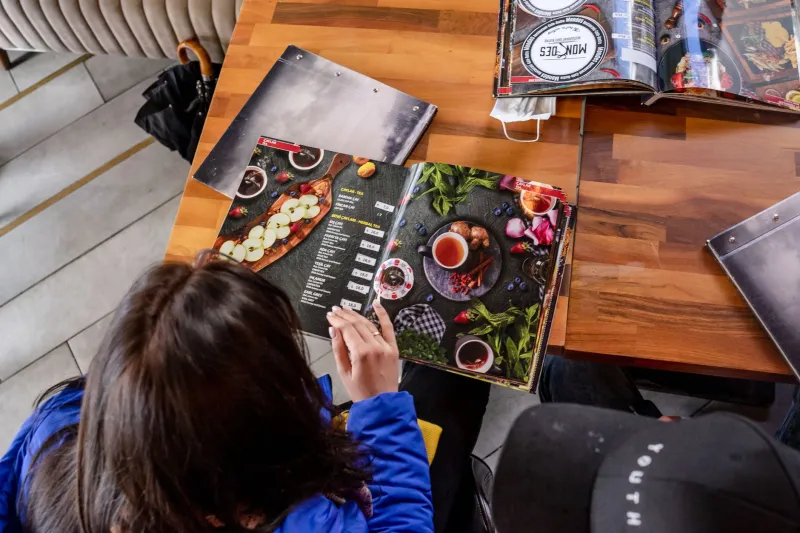
There's a particular kind of resignation that settles over diners with food allergies or dietary restrictions the moment a menu lands in their hands. The scan begins — not for what looks delicious, but for what won't send them to the emergency room or derail a carefully maintained diet. By the time the server arrives, the mental spreadsheet is already running: no gluten, no tree nuts, hold the dairy, and please, please don't tell me the sauce has shellfish in it.
What most of those diners don't realize is that the kitchen on the other side of that door is often capable of doing far more than the menu suggests. The allergy section — that small-print footnote or asterisked sidebar — is not the ceiling of what's possible. In many cases, it's barely the floor.
Why the Official "Allergy-Friendly" List Undersells the Kitchen
Restaurants build their printed menus around consistency. Every dish that appears on that laminated card has been tested, costed, portioned, and trained into muscle memory by the line cooks. It's a system designed for speed and reliability, not flexibility. So when a restaurant designates certain dishes as "gluten-free" or "dairy-free," they're not necessarily telling you everything the kitchen can do — they're telling you what they've already stress-tested at scale.
The gap between those two things can be enormous.
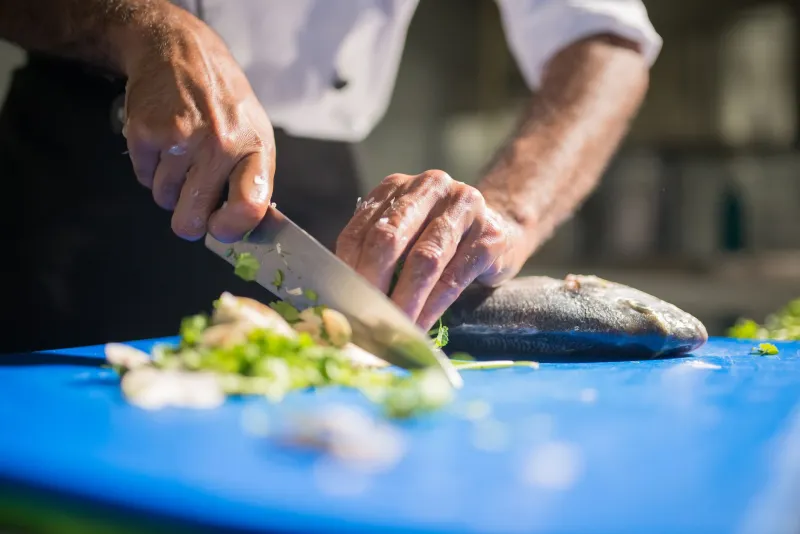
A pasta dish that's listed with a cream sauce might be easily adapted with olive oil and fresh herbs. A protein that's marinated in a soy-based sauce might have a clean, allergen-free alternative the chef keeps on hand for exactly these moments. Kitchens that source quality ingredients — and most worth visiting do — often have a wider pantry than the menu reflects. The printed version is edited for clarity and efficiency. What's behind it is frequently more interesting.
The Ask Most Diners Never Make
Here's the uncomfortable truth: a lot of diners with restrictions never ask. They order around their limitations, accept a diminished version of the meal everyone else is having, and leave feeling like dining out is just inherently harder for them than it is for everyone else.
But servers and chefs, especially at independent restaurants and chef-driven spots, are often waiting for the conversation to start. When a diner explains their situation clearly — not just "I'm gluten-free" but "I have celiac and I'm wondering what the kitchen can actually do" — it changes the dynamic completely. It signals that you're a thoughtful eater, not someone looking to make trouble. And it opens a door that most guests never even knock on.
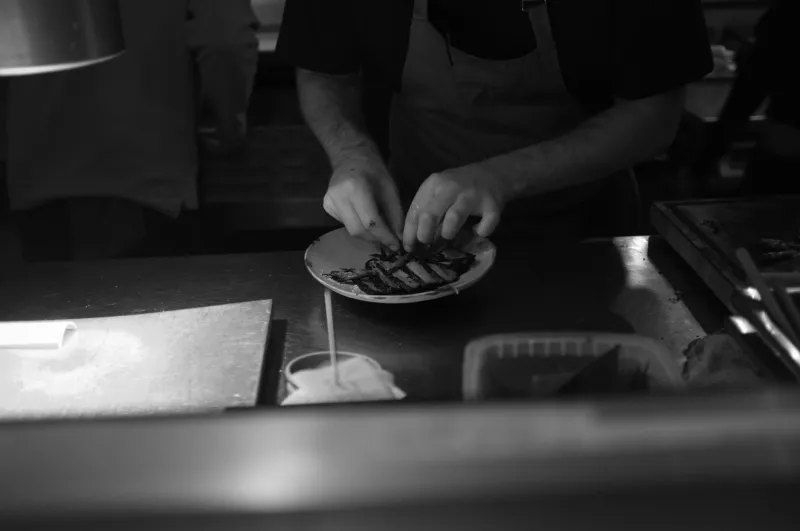
Some of the most memorable plates that come out of restaurant kitchens are the ones built specifically for someone who asked. A vegetable course improvised from what's prepped and beautiful that day. A protein prepared simply and cleanly because the usual sauce was off the table. These aren't lesser meals. Sometimes they're better ones.
What Restaurants Get Wrong About Communicating This
The frustrating part isn't that kitchens have limitations — they do, and that's legitimate. Cross-contamination is a real concern. Certain dishes genuinely can't be modified without becoming something else entirely. Not every server is equipped to walk a guest through every possible substitution on the fly during a Friday night rush.
But the way most restaurants handle allergy communication tends to shrink the conversation rather than expand it. A footnote that says "ask your server about allergen information" is technically correct and practically useless. It puts the entire burden on the diner to initiate, to advocate, and to decode — without giving them any real signal that the kitchen is actually on their side.
The restaurants that handle this well do something different. They train their front-of-house staff to be genuine guides, not just disclaimer-readers. They encourage the "what can you actually do?" conversation. Some even build a secondary verbal menu — a set of modifications and alternatives that don't live on the printed page but exist in the knowledge base of anyone taking orders. That's the kind of institutional knowledge that transforms a restricted diner's experience from tolerable to genuinely exciting.
The Creative Upside Nobody Talks About
There's a culinary argument to be made here that goes beyond accessibility. Constraints, when embraced rather than resisted, tend to produce interesting food. Removing a dominant ingredient from a dish forces a cook to think about what else is carrying flavor, texture, and structure. The result isn't always worse — sometimes it's revelatory.
Chefs who've worked in kitchens long enough have stories about dishes that were born from a guest's restriction and ended up becoming something they'd make again by choice. A dessert stripped of dairy that leaned harder into fruit and acid. A grain bowl rebuilt without gluten that became lighter and more vibrant than the original. These aren't compromises. They're evolutions.
Diners who engage with their restrictions as a starting point for conversation — rather than a wall to bump against — are often the ones who walk away with the most interesting meals.
How to Have the Conversation Without Being That Guest
There's a version of this that goes wrong, and it's worth naming. Diners who treat every modification as a performance, who make their restrictions the centerpiece of the evening, who pepper servers with questions that signal distrust rather than curiosity — they don't get the best version of this experience. They get compliance, not creativity.
The better approach is collaborative. Lead with genuine curiosity. Mention your restriction clearly and early — ideally when you're booking, or at the very start of the meal, not mid-order. Ask what the kitchen is excited about rather than what it can't do. Frame it as "I'd love to know what you'd recommend given that I can't have X" rather than "what on this menu is safe for me."
That framing shift is small, but it signals something important: you're there to eat well, not just to eat safely. And that's an invitation most good kitchens are genuinely happy to accept.
The Takeaway for Anyone Who's Ever Felt Limited at a Restaurant
The allergy section of a menu is a starting point, not a verdict. It reflects what a restaurant has officially committed to, not the full range of what its kitchen can do. For diners who've spent years quietly navigating restrictions and settling for less, that's worth sitting with.
The next time you're at a restaurant that feels like it's leaving you behind, try asking a different question. Not "what can I have?" but "what can you make?" You might be surprised how much is hiding just behind the printed page — waiting for someone curious enough to ask for it.