Less Is More (Until It Isn't): How the Shrinking Restaurant Menu Is Reshaping Your Night Out
Remember when your favorite neighborhood spot had a menu that could double as light reading? Laminated pages, a dozen appetizers, four different cuts of steak, and a pasta section that went on longer than a CVS receipt? That era is fading fast. Across the country — from casual bistros in Austin to white-tablecloth spots in Manhattan — menus are getting trimmed, consolidated, and rotated at a pace that would've seemed radical five years ago.
This isn't just a quirk of post-pandemic recovery. It's a structural shift in how restaurants operate, and it has real consequences for the way you experience a meal. So before you sit down and wonder where half the options went, let's talk about what's actually driving this trend — and how to make the most of what's left on the page.
Why Menus Are Shrinking in the First Place
The short answer is pressure from every direction. Supply chains are still unpredictable. Labor markets in the restaurant industry remain brutally tight. Food costs have spiked in ways that make a 14-item entrée section financially terrifying to maintain. When you're running a kitchen short-staffed and sourcing ingredients that may or may not arrive on Tuesday, a sprawling menu isn't an asset — it's a liability.
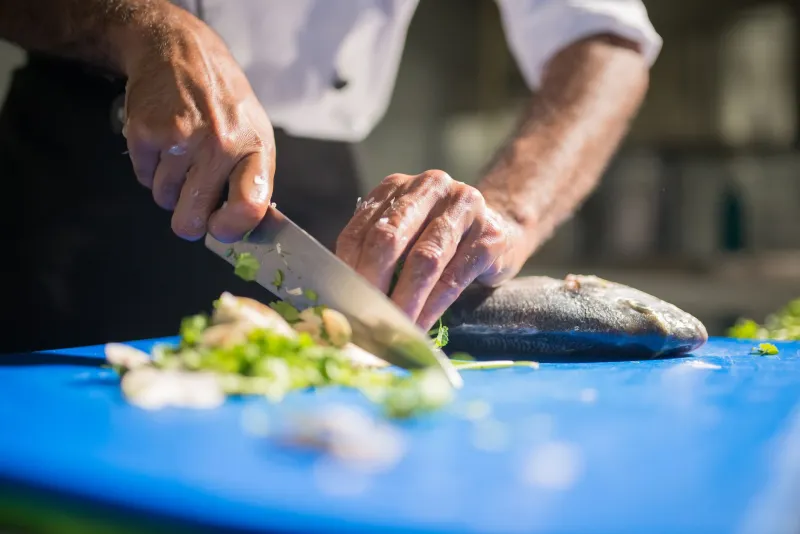
But here's the thing: the economics are just the ignition. Plenty of chefs will tell you privately that a leaner menu is something they've always wanted. Fewer dishes means more focus. It means line cooks who can actually master what they're plating instead of juggling 40 different preparations. It means less food waste, tighter quality control, and a kitchen that runs with some degree of sanity.
Consumer behavior is also pushing things in this direction. Delivery platforms have quietly trained a generation of diners to expect streamlined options. Ghost kitchens — those delivery-only operations with no dining room — typically run on menus of eight to twelve items by design. That psychology is bleeding into the sit-down experience. Diners are increasingly comfortable with fewer choices, as long as what's there feels intentional.
The Rotation Problem Nobody Warns You About
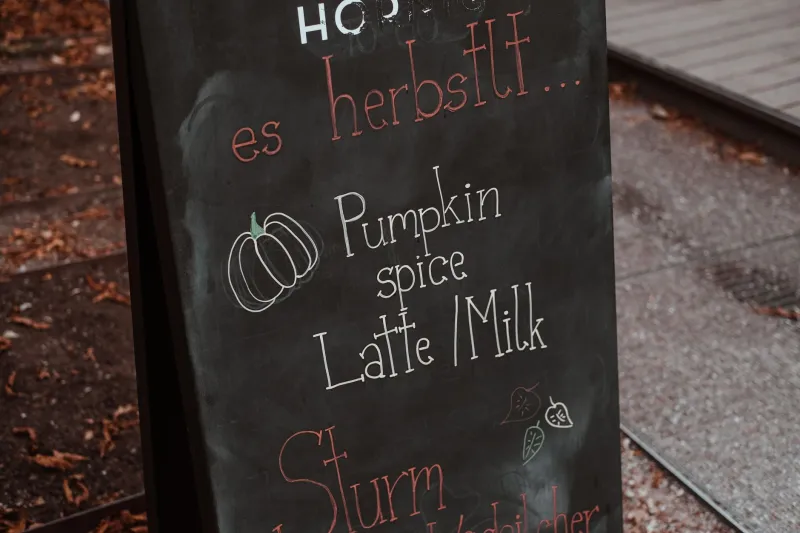
Shorter menus come with a side effect that catches a lot of people off guard: faster rotation. When a restaurant commits to a tight, focused menu, it often leans harder into seasonality and availability. That dish you loved last month? It might be gone. Not temporarily — just gone, replaced by something else that made more sense for the week's delivery.
This is genuinely exciting if you're the type of diner who loves discovering something new every visit. It's genuinely frustrating if you showed up specifically for the duck confit you've been thinking about since February.
The workaround is simple but requires a small shift in how you approach a reservation. Check the restaurant's social media in the 24 to 48 hours before you go. Many kitchens that rotate frequently will post what's current — not because they're obligated to, but because they're proud of it. Instagram stories and Google Business updates have become informal real-time menus for a lot of independent spots. Use them.
How to Navigate a Stripped-Down Menu Strategically
Walking into a restaurant with eight entrées instead of eighteen isn't a crisis — it's actually an opportunity, if you know how to read it.
Look for what's missing. A short menu where every protein is different — fish, poultry, red meat, vegetarian — signals a kitchen that's thought carefully about range. A short menu where everything is a variation on the same three ingredients? That's a kitchen working around limitations, not leaning into strengths.
Ask about the off-menu reality. Tighter menus often create a more robust verbal specials situation. Servers at focused restaurants tend to know the daily additions better because there are fewer moving parts. Ask what came in fresh that day. Ask what the kitchen is excited about. You'll get real answers more often than you'd expect.
Don't default to the familiar. This is the trap of the short menu. When there are only eight options, the instinct is to play it safe with the thing that sounds most recognizable. Resist that. A condensed menu usually means every item earned its spot through a deliberate editorial process — the chef cut everything else to keep this. Trust that logic and try the thing you'd normally scroll past.
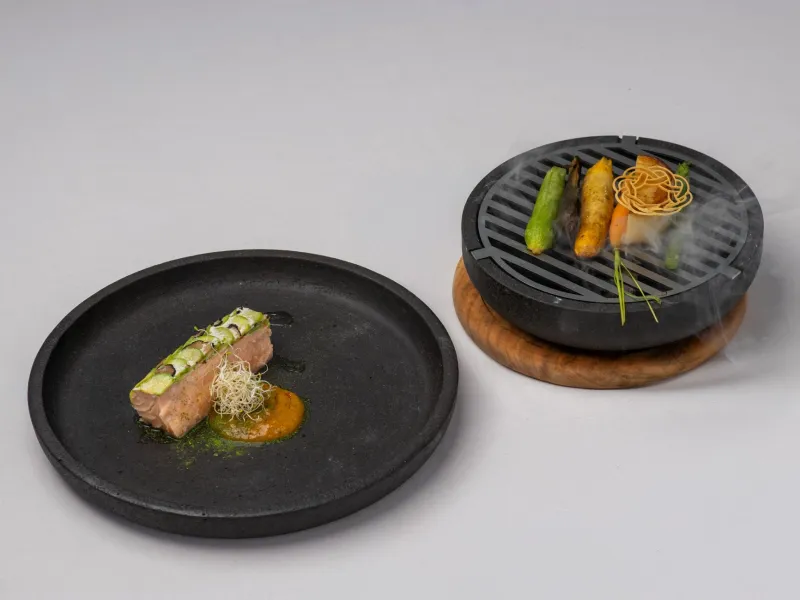
Pay attention to accompaniments. On a smaller menu, sides and garnishes often carry more weight. Chefs who are working with constraints get creative in the margins. That pickled vegetable situation next to the pork chop? It's probably not an afterthought. It's part of the story.
Is This Permanent, or Just a Phase?
Honest answer: probably both, depending on who you're asking.
For independent restaurants operating on thin margins with small teams, the stripped-down menu isn't going away. The economic pressures that drove the initial cuts haven't fully resolved, and the operational benefits are real enough that most chefs who've made the switch aren't eager to reverse it.
For larger casual chains, the picture is more complicated. Some have permanently reduced their menus and leaned into the efficiency gains. Others have started cautiously re-expanding as supply chains stabilized, trying to recapture the variety that differentiates a sit-down experience from ordering through an app.
What's clear is that the era of the maximalist menu — the one that signaled abundance and choice as a value in itself — is genuinely over for a significant portion of the industry. The new signal of quality isn't volume. It's curation.
What You're Actually Missing (And What You're Not)
Let's be honest about the loss here. Shorter menus mean less flexibility for picky eaters, harder navigation for large groups with varied tastes, and fewer options for diners with dietary restrictions who relied on a long list to find something workable. Those are real inconveniences, not imagined ones.
But the gain — when a kitchen is genuinely committed to what it's serving — is a more coherent meal. Dishes that talk to each other. Ingredients that appear in multiple preparations because the chef sourced them intentionally and doesn't want to waste a gram. A dining experience that feels authored rather than assembled.
That's the version of the short menu worth getting excited about. Not the one that's thin because a restaurant is cutting corners, but the one that's focused because someone made hard choices about what deserved to be there.
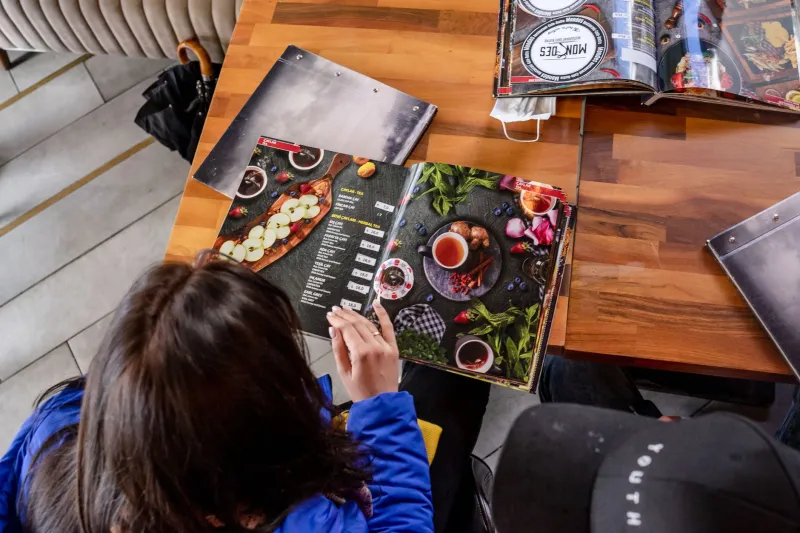
The trick, as always, is knowing the difference. And that starts with reading the menu not just as a list of options, but as a document — one that tells you exactly how much a kitchen cares about what ends up on your plate.