Counter Seats and Zero Judgment: The Menus That Make Solo Dining a Pleasure
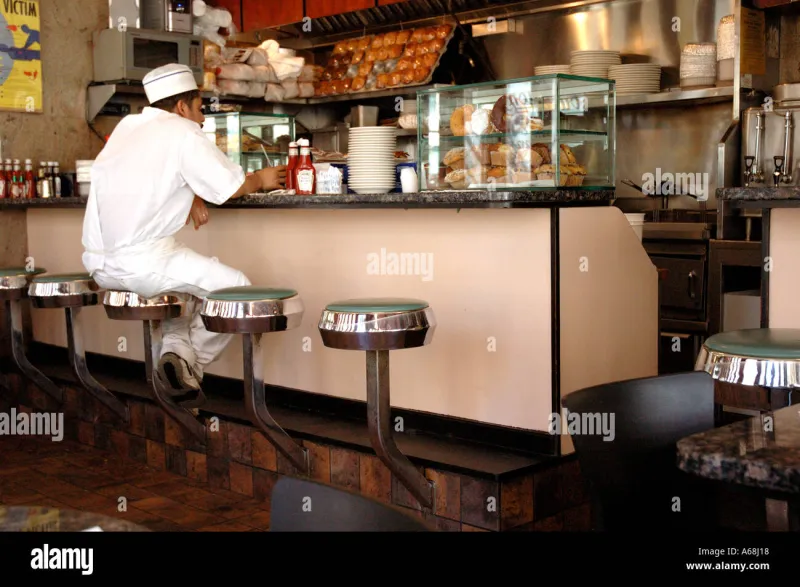
Photo: solo diner at restaurant counter seat chef watching, via c8.alamy.com
There's a particular kind of anxiety that comes with saying "just one" to a hostess. The pause. The glance toward the empty two-top in the corner. The slow walk past everyone who came with friends. But here's the thing the best restaurants in America figured out a while ago: the solo diner is often the most attentive person in the room. No conversation to distract from the plate. No splitting decisions. Just you, the menu, and the food in front of you.
Some kitchens have built entire experiences around that diner. Others at least know how to make a single seat feel like a seat worth having. Here's a tour of the places that get it right — and how to make any solo meal go smoother.
Why the Counter Is the Solo Diner's Best Friend
If you take one thing from this guide, let it be this: bar and counter seating is the great equalizer. A well-run counter turns a solo meal into dinner and a show. You watch the cooks work, you ask questions about the fish, and nobody wonders why you're on your phone — you're clearly watching the grill.
The sushi counter is the obvious gold standard, and it exists in every major American city, from the omakase counters of Los Angeles's Sawtelle corridor to the hole-in-the-wall Edomae spots in Chicago's West Loop. But the concept has spread well past Japanese cuisine. Ramen counters, chef's counters at fine dining spots like the ones scattered through New York's Hudson Valley, oyster bars in Seattle — these are all rooms designed with the individual diner in mind, not as an afterthought.
When you're booking, a simple phrase works wonders: "Is there counter or bar seating available for one tonight?" You'll often get the best seat in the house.
Tasting Menus That Don't Punish Singletons
The dirty secret of the tasting menu world is that some kitchens quietly treat solo diners as a logistical annoyance — one person to seat, one palate to cook for, a seat that could've held a couple. But plenty of others love the solo guest, and a few have made it a specialty.
Look for tasting counters where the chef serves directly. Places like the small-format rooms in Portland, Oregon, or the intimate counters in San Francisco's Richmond district often have single seats built into the design. Because there's no one to talk to, your full attention goes to the food — and chefs notice. Regulars at these counters will tell you the solo diner often gets the extra course, the off-menu pour, the story behind the dish that a chatty table would never hear.
A practical note: solo tasting menu seats are limited by design, so book early and book directly. Many small rooms hold one or two single seats per service, and they go fast.
The Cities That Do It Best
Solo dining culture isn't distributed evenly across the country. A few standouts:
- New York City — The sheer density of counter-service and bar-seat restaurants means you can eat brilliantly alone every night of the week. The izakaya scene alone could keep you busy for a year.
- Chicago — A city of serious eaters who don't perform dining. Nobody blinks at a table for one at a steakhouse, and the city's bar programs are some of the most solo-friendly in the country.
- Portland and Seattle — Counter culture, in every sense. Walk-in-friendly, casual, and built around individual plates.
- New Orleans — The bar at a classic Creole restaurant is practically a solo diner's institution. Order a Sazerac, order the gumbo, read the room, and you'll have a better time than most tables of six.
A Few Practical Moves That Change Everything
Eat at the bar during off-peak. A 5:30 or 8:30 solo seat is easy to get; 7pm is where the solo diner gets squeezed. Off-peak also means staff have time to talk, which is half the fun.
Bring a book, but don't hide in it. There's a difference between being comfortable and being closed off. The best solo meals usually involve at least a little conversation with the person pouring your wine.
Ask for the seat with a view. Of the kitchen, the pass, the dining room. Anywhere but the wall.
Don't apologize for existing. You're paying full price for a full experience. The restaurants worth your money know that.
The Bottom Line
Solo dining is a skill, but it's mostly a matter of picking the right rooms. The restaurant that hands you a menu with no assumptions — where the counter is welcoming, the staff is engaged, and the food demands your attention — will turn "eating alone" into something closer to a private tasting. And once you've had a few meals like that, you might start booking the solo seat on purpose.