Why That Spring Pea Risotto Costs $28 and Whether It's Actually Worth It
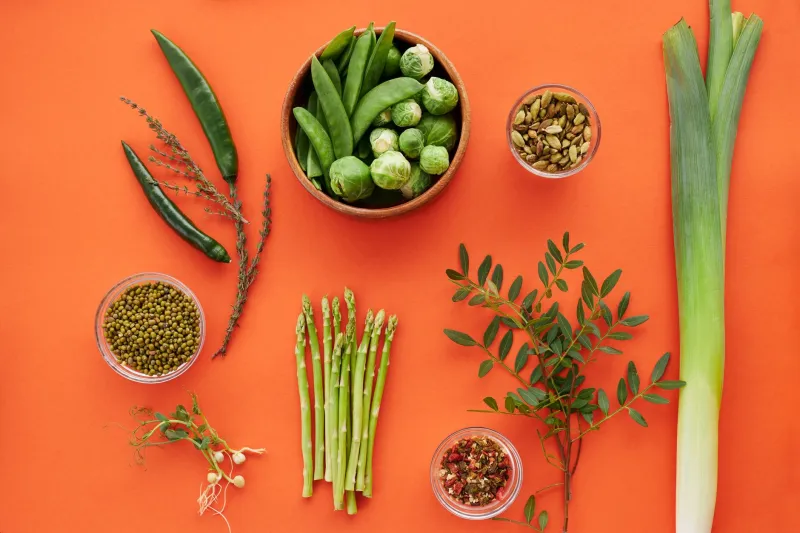
Every spring, the same thing happens. Restaurant menus suddenly bloom with words like ramps, morels, English peas, and fiddlehead ferns — and the prices bloom right along with them. You glance at the menu, do a quick mental calculation, and wonder if you're paying for an actual vegetable or just the idea of one.
The answer, honestly, is a little of both. And understanding the difference is one of the most useful things you can do as a diner.
The Supply Chain Nobody Talks About at the Table
Here's the thing about spring produce: it doesn't arrive in neat, predictable shipments the way a bag of frozen edamame does. Ramps, for instance, have a harvest window of roughly two to four weeks depending on the region. Morel mushrooms are wild-foraged, meaning their availability swings dramatically based on rainfall, temperature, and the whims of the forest floor. Fiddleheads? Same story.
Chefs sourcing these ingredients aren't calling up a warehouse and placing a bulk order. They're working with small farms, local foragers, and specialty distributors who are themselves working against the clock. That scarcity isn't manufactured — it's baked into the biology of the ingredient. And scarcity, as any Econ 101 student will tell you, drives price.
What often surprises diners is how much the cost compounds before it ever hits your plate. A chef might pay three or four times more per pound for fresh ramps than for a comparable cultivated allium. Add in prep labor (ramps need to be cleaned, trimmed, and handled carefully), the short shelf life that limits how long a restaurant can hold inventory, and the real cost of a seasonal dish starts to make more sense — even if the number still stings.
When Seasonal Pricing Is Genuine (and When It's Theater)
Not every restaurant putting spring asparagus on the menu is doing it for culinary integrity. Some kitchens slap the word "seasonal" on a dish because it signals freshness, justifies a markup, and sounds good. The asparagus in question might be sourced from a large commercial distributor with no particular connection to local growing seasons.
So how do you tell the difference?
Look at the specificity of the menu language. A restaurant that's genuinely engaged with seasonal sourcing tends to name its farms, its regions, or its foragers. "Ramps from the Appalachian foothills" tells you something. "Fresh seasonal greens" tells you almost nothing. The more vague the description, the less likely the kitchen has a real story behind the ingredient.
Also pay attention to how frequently the menu changes. If a restaurant claims to be seasonally driven but you've noticed the same dishes sitting there for four months, the seasonal framing is probably more marketing than mission. Menus that genuinely follow the harvest tend to shift noticeably — not just in specials, but in the core menu itself.
The Window You Actually Want to Order In
Here's a counterintuitive piece of advice: the very beginning of a seasonal ingredient's window is often not the best time to order it at a restaurant.
In the first week or two of availability, supply is tightest, prices to the kitchen are highest, and chefs are sometimes still figuring out how to work with what they've got. By mid-season, supply loosens slightly, prices stabilize, and — crucially — the kitchen has had time to develop real fluency with the ingredient. That's when a dish built around ramps or morels tends to be at its best.
The end of the window is a different story. Some restaurants handle the tail end of a season gracefully, pivoting to preserved or pickled versions that can actually be quite good. Others are just trying to move the last of their stock before it turns. A good server should be able to tell you where you are in the season — and if they can, that's already a promising sign.
What You're Actually Paying For
Let's put some rough numbers to this. A pound of commercially grown asparagus might cost a restaurant $2 to $3 wholesale. A pound of locally sourced, thin-stalked spring asparagus from a small Pennsylvania farm? Closer to $5 to $8, sometimes more. Factor in the prep time to peel, blanch, and plate it properly, and the food cost on a single serving can easily hit $6 to $9 — before a single dollar of labor, rent, or overhead is calculated in.
Restaurants typically aim to keep food costs at around 28 to 35 percent of a dish's menu price. Do the math on that spring asparagus and you start to see why a well-sourced seasonal dish lands where it does on the menu. You're not just paying for the vegetable. You're paying for the relationship the chef has with the person who grew it, the logistics of getting it to the kitchen while it's still alive with flavor, and the expertise to do something worthwhile with a two-week ingredient.
That's not nothing. Whether it's worth it depends entirely on whether the kitchen is holding up their end of the deal.
How to Be a Smarter Seasonal Diner
A few practical moves worth keeping in mind:
Ask your server what's local right now. A kitchen that's genuinely seasonal will have an answer. A kitchen that isn't will fumble.
Lean toward dishes where the seasonal ingredient is the star, not a garnish. If the menu says "pan-seared salmon with a fiddlehead fern accent," the fiddleheads are probably there for optics. If the fiddleheads are the centerpiece and the protein is secondary, the kitchen is actually invested.
Check the season against your own knowledge. Morels peak in spring. Corn peaks in late summer. Stone fruit runs July through September. If a restaurant is pushing "fresh peach" dishes in February, something doesn't add up — and that's worth noticing.
Don't penalize a restaurant for honest pricing. If you've confirmed the sourcing is real and the season is right, a higher price tag is often the most transparent thing on the menu. It means the kitchen isn't cutting corners to give you a cheaper number.
Seasonality, done right, is one of the most compelling things a restaurant can offer. It means the menu is alive — responding to the world outside the kitchen door rather than running on autopilot. The price of that aliveness is real, and it's usually worth paying. You just need to know when you're getting the genuine article.