What's Really on the Menu: How Ingredient Choices Reveal a Restaurant's True Character
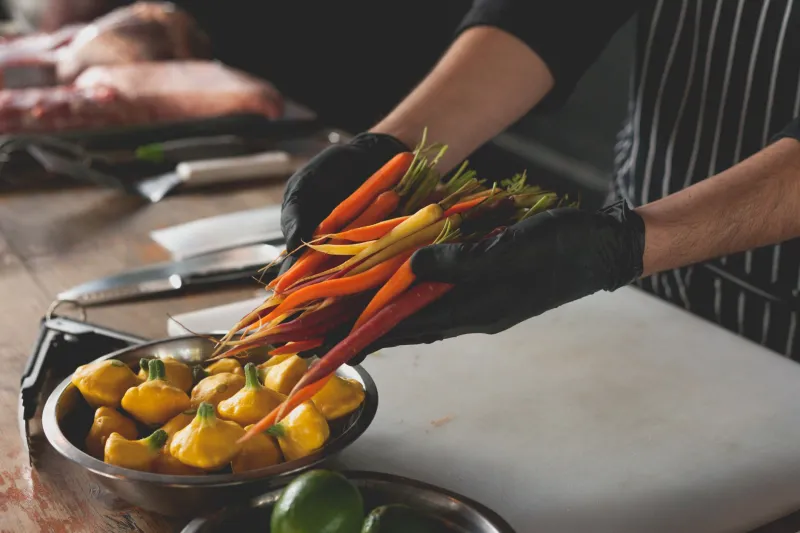
You've probably scanned hundreds of restaurant menus without realizing you were reading a kind of financial and philosophical document. Because that's exactly what a menu is. Every ingredient listed—every choice to name a farm, specify a region, or describe a protein in vague, noncommittal terms—tells you something real about the people running the kitchen.
Once you know what to look for, menus become remarkably transparent. Here's how to use ingredient language as your guide to finding restaurants that are worth your time.
Specificity Is a Signal
The single most reliable indicator of a kitchen's ingredient philosophy is how specific they're willing to be. There's a meaningful difference between a menu that says "grilled chicken breast" and one that says "Joyce Farms heritage chicken, sourced from North Carolina."
That specificity isn't just marketing. It's accountability. When a restaurant names a farm, a region, or a specific variety of produce, they're making a verifiable claim—and they know it. Kitchens that source thoughtfully tend to want you to know where the food comes from, because that sourcing is part of what they're proud of.
Conversely, deliberately vague ingredient descriptions are often a signal worth paying attention to. "Fresh Atlantic salmon" sounds appealing, but it tells you almost nothing. Is it farmed? Wild-caught? What season? A kitchen that cares deeply about its fish will usually say so.
This doesn't mean every great restaurant needs to read like a farm directory. But when you see specificity applied consistently across a menu—named ranches, regional designations, heirloom varieties—it usually indicates a kitchen that's paying attention upstream.
Seasonality: The Calendar Doesn't Lie
One of the easiest ways to gauge a restaurant's ingredient integrity is to check whether the menu reflects what's actually growing right now. A menu in January featuring ripe tomatoes and fresh corn should raise an eyebrow. Either those ingredients are being sourced from far away at great expense (possible, but worth questioning), or the kitchen is leaning on imports that will never quite taste the way summer produce does.
Restaurants that take seasonality seriously change their menus frequently—sometimes weekly, sometimes even daily based on what came in from their suppliers that morning. You'll often see this mentioned explicitly: "our menu changes with the season" or "ingredients sourced from regional farms as available." These phrases aren't just nice-sounding. They indicate a genuine operational commitment that costs more and requires more culinary flexibility than a static menu.
Seasonal cooking also tends to produce better food, full stop. A chef working with peak-season strawberries from a local farm in June needs to do far less to make a dish sing than one working with out-of-season berries shipped from halfway around the world. The ingredient does more of the work.
If you're dining somewhere new and want a quick gut-check on their seasonal commitment, look at the vegetable sides and salads. These are often where shortcuts are most visible—and where farm-to-table kitchens shine most clearly.
The Hidden Language of Protein Descriptions
Proteins are where menu language gets most revealing—and most potentially misleading. A few things worth knowing:
"Grass-fed" vs. "grass-finished" — Many beef producers start cattle on grass and finish them on grain. "Grass-fed" technically includes these animals. "Grass-finished" means what most consumers think "grass-fed" means: cattle raised entirely on pasture. Restaurants that understand this distinction and use the more precise language are signaling real familiarity with their supply chain.
"Sustainable seafood" — This phrase has become so common it's nearly meaningless without specifics. What does sustainable mean here? Is the kitchen referencing Monterey Bay Aquarium's Seafood Watch guidelines? Are they buying from day boats? The absence of details behind a sustainability claim is a yellow flag.
"All-natural" — This is essentially a decorative term. The USDA's definition of "natural" for meat simply means minimally processed with no artificial ingredients—it says nothing about how the animal was raised. Kitchens that use "all-natural" as a selling point without additional context may be leaning on consumer perception rather than substantive sourcing practices.
The restaurants worth seeking out will give you real information rather than feel-good language.
Cost Management and What It Looks Like on a Menu
Every restaurant is balancing quality against cost, and that tension shows up in menu design in specific ways. Understanding this doesn't mean judging restaurants for making practical decisions—it means knowing what you're actually paying for.
Highly protein-forward menus with expensive cuts listed at relatively low prices often signal one of a few things: lower-quality sourcing, very tight margins (which affects everything else in the kitchen), or heavy reliance on cost-averaging across the menu. Conversely, menus that prominently feature vegetables, grains, and legumes—often with the same care given to a center-cut steak—tend to reflect kitchens that can invest in quality ingredients across the board because they're not throwing their entire food budget at proteins.
Watch for "market price" designations on fish and shellfish. This is actually a good sign—it means the kitchen is buying fresh, and the price fluctuates with availability. A restaurant that locks in a fixed price on live lobster year-round is either absorbing wild cost swings (rare) or sourcing something that isn't quite what it appears to be.
Reading Between the Buzzwords
Farm-to-table, locally sourced, artisanal, house-made—these terms have been stretched so thin by overuse that they can mean almost anything. That doesn't mean they're always empty, but it does mean you need to look for corroborating evidence.
A restaurant that genuinely lives these values tends to show it in multiple ways: named farms on the menu, visible relationships with local producers (sometimes even mentioned on their website or social media), menus that change with the seasons, and staff who can actually answer questions about where the food comes from. When the language and the evidence align, you've found something real.
When the menu is full of buzzwords but the ingredients themselves tell a different story—imported produce out of season, anonymous proteins, a menu unchanged for three years—trust the ingredients over the adjectives.
The Takeaway for Smarter Dining
At TriMenu, our whole thing is helping you make better decisions about where and what you eat. And one of the most powerful tools you have is already sitting in your hands the moment you sit down: the menu itself.
Specificity, seasonality, honest protein language, and the balance between buzzwords and verifiable claims—these are your compass points. Use them, and you'll find yourself consistently gravitating toward kitchens that genuinely care about what they're putting in front of you. The best meals tend to start with the best ingredients. And the best ingredients tend to announce themselves, clearly and without apology, right there on the page.